
Roofing Guide
How Long Does a Roof Last? A Complete Lifespan Guide by Material
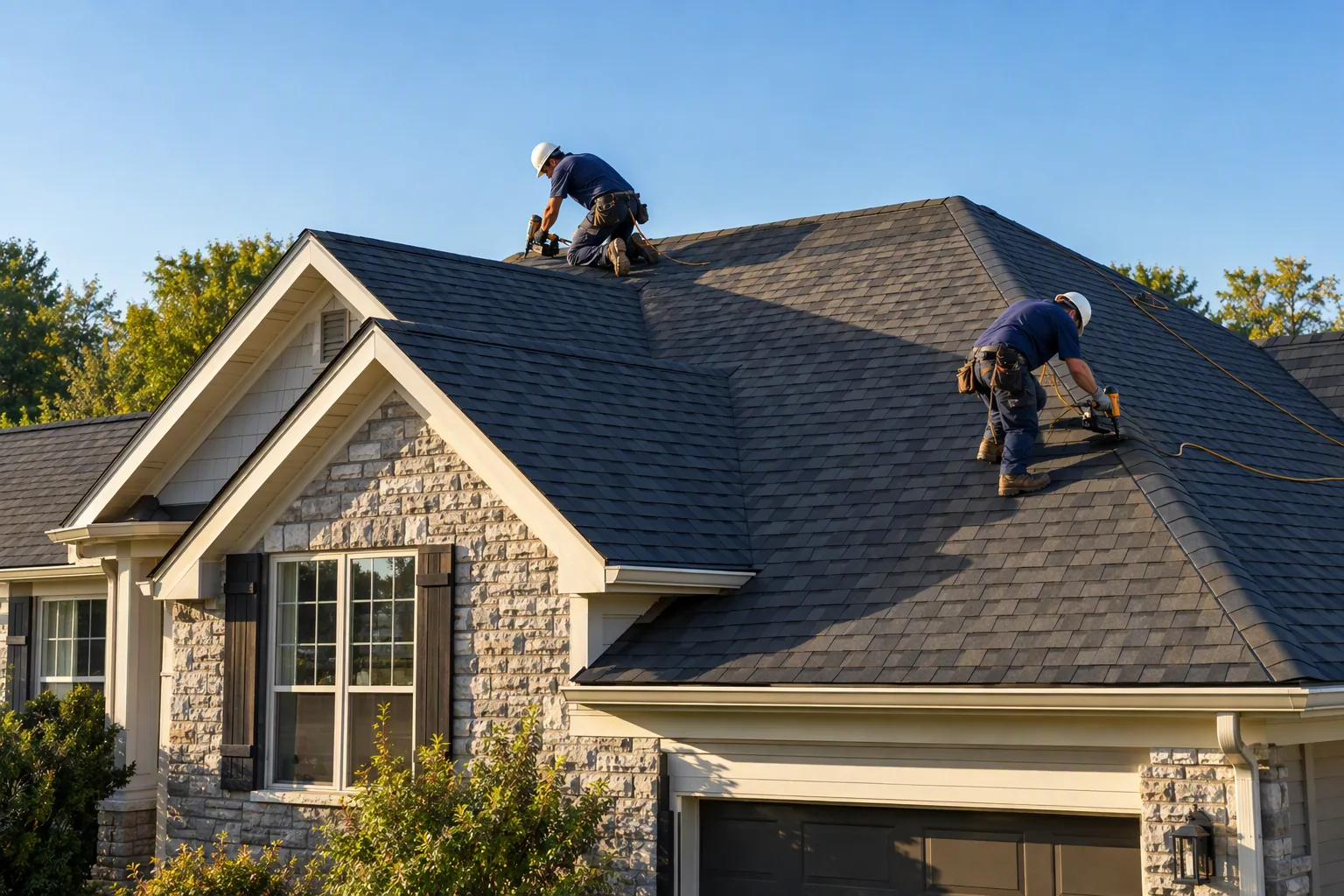
One of the first questions every homeowner asks is deceptively simple: how long does a roof last? The honest answer is that it depends almost entirely on the material you choose and how well the roof is maintained. Two houses on the same street can have roofs installed in the same year — one still going strong at 25, the other leaking at 12.
Below is a realistic lifespan guide by material, followed by the factors that quietly decide whether your roof reaches the top or the bottom of its range.
Average roof lifespan by material
- 3-tab asphalt shingles: 15–20 years. The budget option, now largely superseded by architectural shingles.
- Architectural (dimensional) shingles: 25–35 years, with premium lines rated up to 50 years.
- Standing-seam metal: 40–70 years. Excellent hail and UV resistance, very low maintenance.
- Clay and concrete tile: 40–60 years. Heavy, beautiful and extremely durable in hot, sunny climates.
- Natural slate: 75–100+ years. The longest-lasting residential roofing available.
- Wood shakes and shingles: 25–40 years, but demanding on maintenance.
- TPO / EPDM (flat roofs): 20–30 years when correctly installed and maintained.
The pattern is straightforward: the more you invest upfront, the longer the roof lasts and the lower the annual cost of ownership. Metal and tile cost more than shingles today but often work out cheaper per year of service.
What shortens a roof's life
Material is only half the story. These factors routinely knock years off a roof:
- Poor ventilation. Trapped heat and moisture cook shingles from below and cause ice dams in winter.
- Improper installation. Missing ice-and-water shield, reused flashing or over-driven nails all cause premature failure.
- Hail and wind. Impact bruising removes protective granules; wind creases and lifts shingles.
- Layered roofs. Overlaying new shingles over old traps heat and hides decking problems.
- Neglected maintenance. Small flashing failures and clogged gutters turn into rot and interior damage.
What extends a roof's life
Owners who get the longest life out of their roofs tend to do three things consistently. They keep the attic properly ventilated and insulated so the roof deck stays cool and dry. They clean gutters at least twice a year so water never backs up under the roof edge. And they book a professional inspection every year — which catches failing sealant and lifted flashing while the fix is still measured in hundreds of dollars, not thousands.
On commercial buildings, a planned maintenance programme is even more valuable. Routine inspections and minor repairs routinely add five to ten years to a flat roof, and they keep the manufacturer warranty valid.
Signs your roof is nearing the end
Age alone is not a reason to replace a roof, but it is a reason to look carefully. Watch for granules collecting in gutters, shingles that look cracked, curled or bald, daylight visible through the attic roof boards, and repeated leaks in different places. When several of these appear together on a roof that is already past two-thirds of its expected lifespan, replacement usually makes more financial sense than another round of repairs.
The bottom line
Choose the best material your budget allows, insist on a complete system installed to manufacturer specification, and maintain it. Do those three things and your roof will comfortably reach the top of its lifespan range — and your home will stay dry the entire time.
Not sure how much life is left in your current roof? Book a free Roofex inspection and we will give you an honest, photo-documented answer.